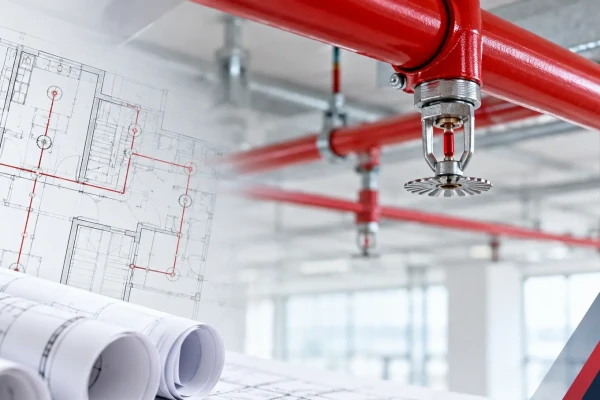

Why Choosing the Right MEP Shop Drawing Partner Matters
In today’s fast-paced construction environment, MEP shop drawings are no longer just documentation—they are a critical execution tool that directly impacts cost, schedule, coordination, and quality. For contractors, inaccurate or poorly coordinated MEP shop drawings often result in rework, RFIs, trade conflicts, and project delays.
As projects become more complex and timelines tighter, many contractors now outsource MEP shop drawing services to specialized BIM partners. However, not all service providers deliver the same level of accuracy, coordination, or construction understanding.
Choosing the wrong MEP shop drawing company can lead to:
- Site clashes between HVAC, electrical, and plumbing systems
- Installation delays due to unclear or incorrect drawings
- Increased RFIs and change orders
- Loss of productivity and profit margins
This blog provides a practical, contractor-focused checklist to help you evaluate, compare, and select the right MEP shop drawing company—one that truly supports construction success, not just drawing production.
What Are MEP Shop Drawing Services?
MEP shop drawings are detailed, fabrication- and installation-ready drawings developed from design intent documents. They translate design concepts into constructible information that trades can use on site.
Typical MEP Shop Drawing Scope Includes:
- HVAC ducting, piping, equipment layouts
- Electrical power, lighting, cable trays, and containment systems
- Plumbing water supply, drainage, and sanitary systems
- Fire protection and life safety systems
- Equipment clearances, supports, and sleeves
Unlike design drawings, shop drawings reflect real-world constraints, including:
- Actual product data and submittals
- Site conditions and spatial limitations
- Trade coordination requirements
When developed using BIM, MEP shop drawings become a powerful coordination and clash-prevention tool.
Why Contractors Can’t Afford to Choose the Wrong MEP Shop Drawing Company
The cost of poor MEP shop drawings is often hidden until construction begins. By then, correcting issues becomes expensive and disruptive.
Common Consequences of Poor-Quality Shop Drawings:
- Field clashes between ducts, pipes, and cable trays
- Reinstallation and material wastage
- Delayed inspections and approvals
- Friction between trades and consultants
- Reduced confidence from owners and GCs
For contractors, these issues directly impact profitability and reputation. That’s why selecting the right MEP shop drawing partner is a strategic decision, not just a procurement task.
Contractor’s Checklist: How to Choose the Right MEP Shop Drawing Company

1. Proven MEP & BIM Experience in Similar Projects
Start by evaluating the company’s project experience. A strong MEP shop drawing provider should understand construction workflows, not just drafting.
- Experience with commercial, residential, industrial, healthcare, or data center projects
- Familiarity with contractor-driven delivery models
- Ability to handle project-specific complexities
Experience in similar project types ensures fewer assumptions and more constructible drawings.
2. Strong BIM Capabilities and Software Expertise
Modern MEP shop drawings must be BIM-driven. BIM enables clash detection, spatial validation, and coordinated outputs.
- Proficiency in Revit MEP and Navisworks
- Ability to deliver LOD 300–LOD 400 models
- Model-based shop drawings, not just 2D drafting
- Clash detection and resolution workflows
BIM-based shop drawings significantly reduce site conflicts and RFIs.
3. Knowledge of Codes, Standards, and Project Specifications
A reliable MEP shop drawing company must understand local and international codes, as well as project-specific requirements.
- HVAC, electrical, plumbing, and fire protection standards
- Ability to follow consultant specifications
- Experience supporting permit and authority submissions
Code-compliant shop drawings prevent inspection failures and costly revisions.
4. Coordination Expertise Across All Trades
Coordination is where many service providers fall short. True value comes from multi-trade coordination, not isolated discipline drawings.
- HVAC vs electrical vs plumbing clashes
- Structural and architectural constraints
- Tight ceiling zones and congested shafts
Effective coordination ensures clash-free installation and smoother site execution.
5. Robust Quality Control and Review Process
Quality assurance separates professional BIM partners from low-cost drafting vendors.
- Defined QA/QC checklists
- Multi-level internal reviews
- Compliance checks before submission
A strong QA/QC process reduces rejections and speeds up approvals.
6. Turnaround Time, Scalability, and Resource Capacity
Construction schedules are often aggressive. Your MEP shop drawing partner must be able to scale quickly.
- Meet fast-track project timelines
- Allocate dedicated teams
- Support multiple zones or buildings
Scalability ensures continuity and prevents bottlenecks during peak phases.
7. Communication, RFI Handling, and Collaboration
Clear communication is essential for successful shop drawing delivery.
- Defined communication channels
- Timely RFI responses
- Coordination with contractors, consultants, and fabricators
Poor communication often leads to delays and misunderstandings on site.
8. Data Security, NDA Compliance, and IP Protection
MEP shop drawings contain sensitive project data. Ensure your partner follows secure data handling practices.
- NDA compliance
- Secure file transfer systems
- Clear ownership of deliverables
Data protection is especially critical for large and high-value projects.
Red Flags Contractors Should Watch Out For
- Lacks BIM coordination experience
- Offers unrealistically low pricing
- Has no defined QA/QC process
- Communicates poorly or inconsistently
These red flags often lead to hidden costs later.
Questions Contractors Should Ask Before Hiring
- Can you share similar project samples?
- What LOD level do you deliver?
- How do you manage clashes and RFIs?
- What is your review and approval workflow?
Clear answers indicate process maturity and reliability.
Why Contractors Choose Built In BIM
Built In BIM supports contractors with accurate, coordinated, and construction-ready MEP shop drawings.
- Contractor-focused delivery approach
- BIM-driven shop drawings with clash detection
- Compliance with US, UK, and Middle East standards
- Dedicated QA/QC and coordination teams
- Scalable resources for fast-track projects
Our goal is simple: help contractors build faster, reduce rework, and protect margins.
Final Checklist Summary
- Proven MEP & BIM experience
- Strong BIM tools and LOD capability
- Code and specification knowledge
- Trade coordination expertise
- Robust QA/QC process
- Scalable resources and fast turnaround
- Clear communication and data security
Conclusion
Choosing the right MEP shop drawing company can make the difference between smooth execution and costly site issues. By using this contractor-focused checklist, you can confidently select a partner that adds real construction value—not just drawings.
Looking for a reliable MEP shop drawing partner?
Built In BIM delivers clash-free, BIM-coordinated, construction-ready MEP shop drawings tailored to contractor needs.
Contact Built In BIM today for a free consultation or sample review.
FAQ
What should contractors look for in an MEP shop drawing company?
Contractors should evaluate BIM experience, coordination capability, code compliance, QA/QC processes, turnaround time, and communication practices before selecting an MEP shop drawing company.
Why are BIM-based MEP shop drawings important?
BIM-based MEP shop drawings enable clash detection, accurate coordination, and constructible layouts, reducing rework, RFIs, and site delays.
What is the difference between MEP design drawings and shop drawings?
Design drawings show intent, while MEP shop drawings provide detailed, fabrication- and installation-ready information based on real site conditions and product data.
Can outsourcing MEP shop drawings reduce construction costs?
Yes. Outsourcing to experienced BIM teams improves accuracy, minimizes rework, speeds up approvals, and helps contractors control costs and schedules.